
Gadget Reviews

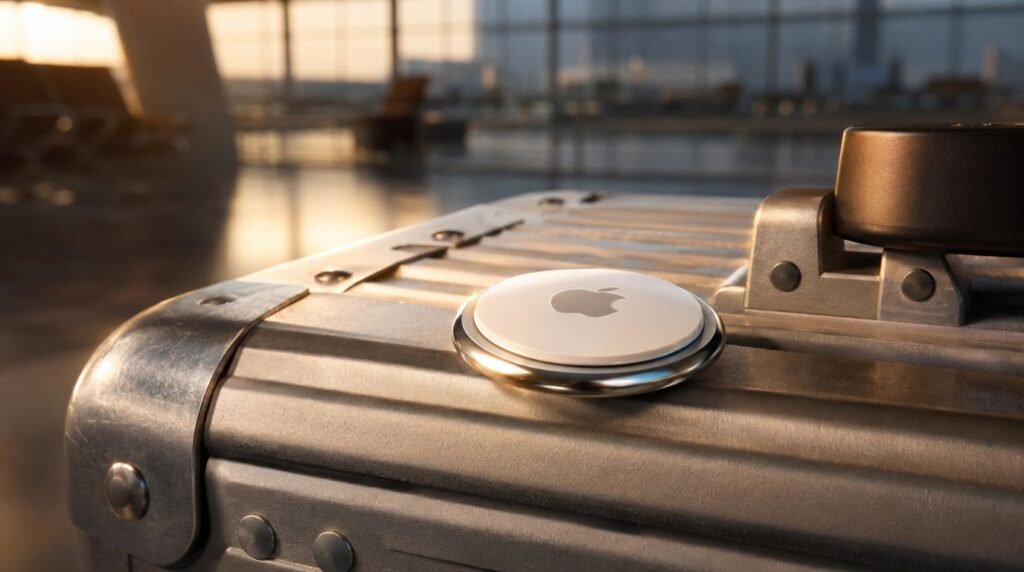
A macro, industrial-style product photograph of the Apple AirTag 2nd Generation sitting on top of a rugged, textured aluminum travel suitcase. The background is a slightly blurred, warm-toned, modern airport terminal lounge during golden hour. Soft cinematic lighting highlights the metallic and matte-white textures of the tracker. Shallow depth of field, 8k resolution, professional tech blog aesthetic, no text.

AirTags de 2ª Generación a prueba: ¿El rastreador definitivo para no perder tu equipaje este verano?

Aceptemos la primera gran verdad incómoda del verano: no hay peor forma de arruinar tus vacaciones que ver cómo la cinta de equipaje del aeropuerto se vacía lentamente, todos se van con sus maletas, y tú te quedas ahí, parado, contemplando el vacío existencial. El pánico de perder las llaves en la arena de la

AirTags de 2ª Generación a prueba: ¿El rastreador definitivo para no perder tu equipaje este verano? Leer más »

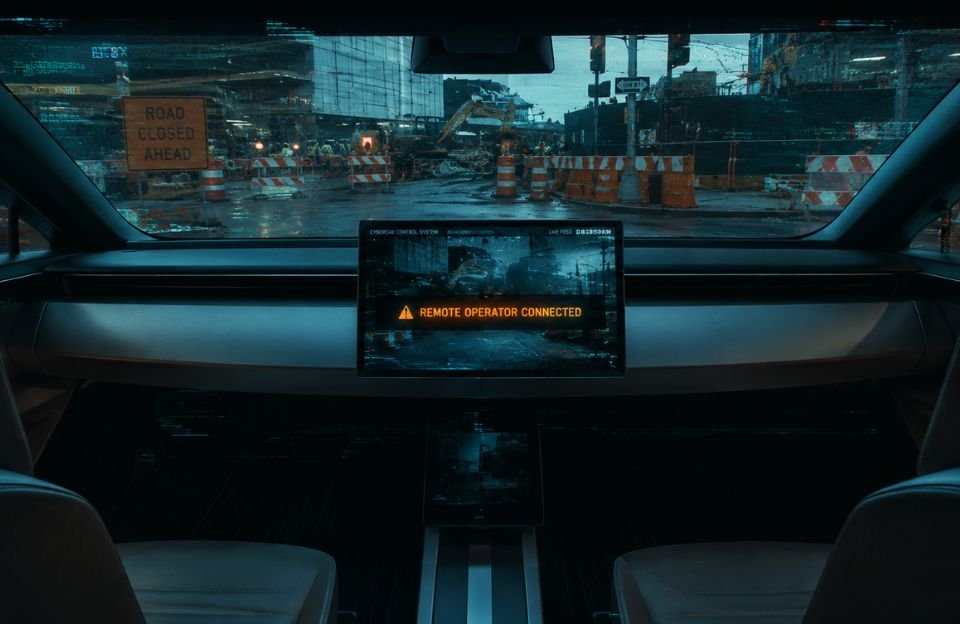
A cinematic, editorial photograph of a futuristic Tesla Cybercab or Robotaxi interior, focusing on the empty driver’s seat with no steering wheel or pedals. Through the front windshield, a glitching, messy urban construction site with bright orange barricades is visible. On the central dashboard screen, a low-resolution video feed displays a "REMOTE OPERATOR CONNECTED" warning flashing in amber text. Glitch art aesthetics, dramatic lighting with neon blue and amber accents, conveying a high-tech but imperfect and tense atmosphere, 8k resolution, photorealistic.

Tesla Robotaxi y el Mito de la Autonomía: ¿Por qué los «Conductores Remotos» están chocando los autos de Elon Musk?

La promesa de Elon Musk era clara y ambiciosa: un millón de Robotaxis sin supervisión rodando por las calles. La realidad, sin embargo, nos muestra un escenario completamente diferente. El servicio de ride-hailing de Tesla opera con flotas extremadamente reducidas y, lo que es peor, los incidentes reportados ante la NHTSA (la agencia de seguridad

Tesla Robotaxi y el Mito de la Autonomía: ¿Por qué los «Conductores Remotos» están chocando los autos de Elon Musk? Leer más »

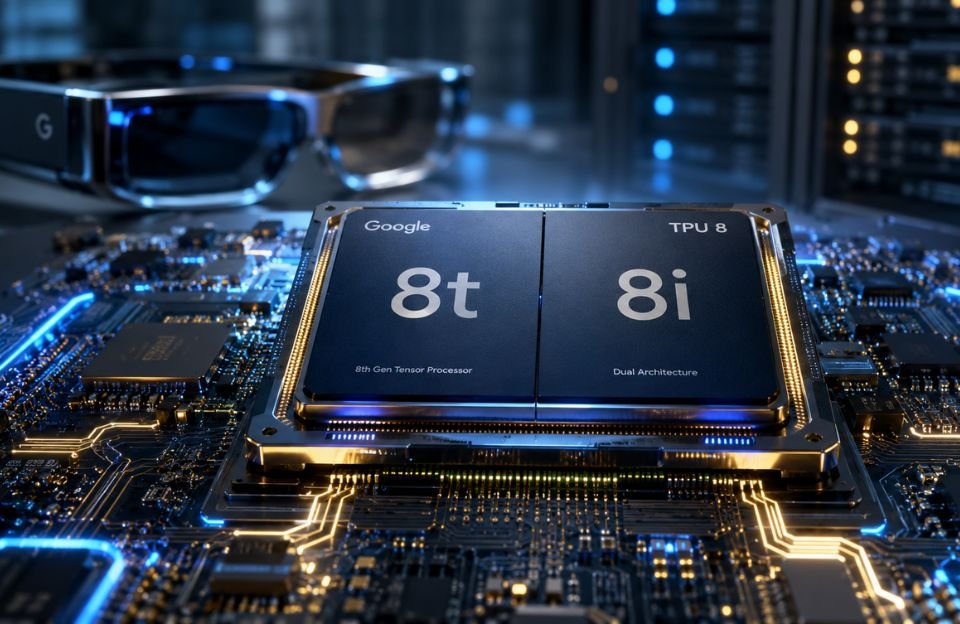
A photorealistic, high-tech industrial macro shot of the new Google TPU 8 dual-architecture processor chip. The chip is split into two visible sections labeled "8t" and "8i" with precise laser-etched typography. Circuits and golden traces glow with subtle, sharp neon blue and amber light. In the blurred background, futuristic sleek smart glasses (Gentle Monster style) and dark server racks are visible. Cinematic dramatic lighting, corporate cyberpunk style, Unreal Engine 5 render depth of field, 8k resolution

Google I/O 2026: Menos Humo de IA y más Silicio Real (Análisis Crítico)

Especificación Técnica TPU 8t (Train) TPU 8i (Inference) Enfoque Principal Pre-entrenamiento masivo a gran escala Ejecución de modelos y baja latencia Salto de Rendimiento 3x potencia de cálculo bruta 2x mejor rendimiento por vatio Arquitectura de Red Orquestación global distribuida vía Jackson Pathways (+1M de TPUs) Litografía y Reloj No confirmado (Incógnita) No confirmado (Incógnita)

Google I/O 2026: Menos Humo de IA y más Silicio Real (Análisis Crítico) Leer más »

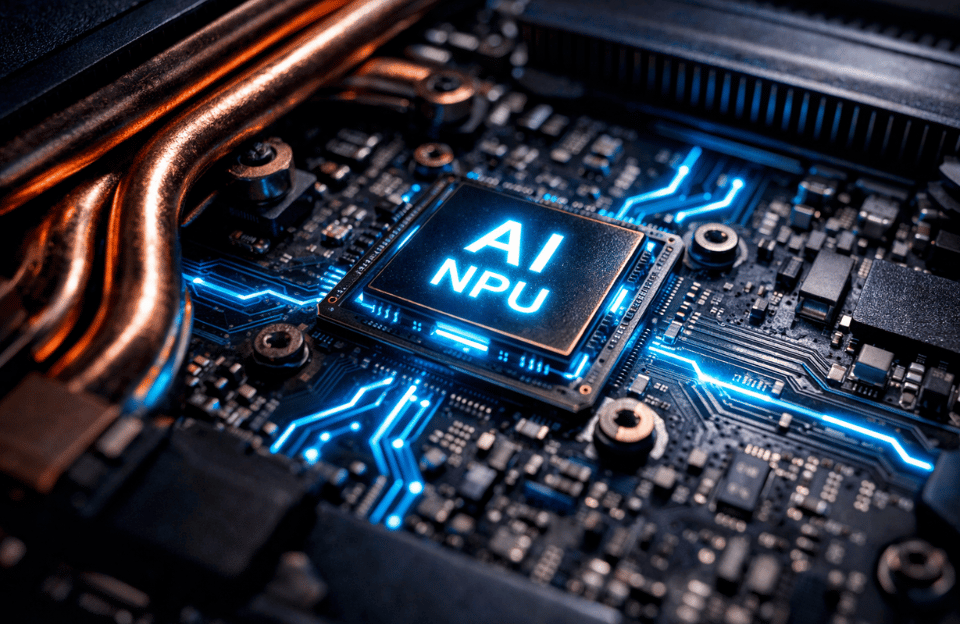
asus-rog-strix-scar-16-2026-internals

La Era de los 240Hz OLED y la IA Local: Guía Maestra de Laptops Gaming 2026

En 2026, el mercado de laptops gaming ha sufrido su transformación más radical desde la llegada del trazado de rayos. Ya no compramos «fuerza bruta»; compramos ecosistemas térmicos y eficiencia de inteligencia artificial. Esta guía técnica analiza los pilares que separan a una máquina de gama entusiasta de un juguete costoso. 1. Los Pilares Técnicos

La Era de los 240Hz OLED y la IA Local: Guía Maestra de Laptops Gaming 2026 Leer más »